
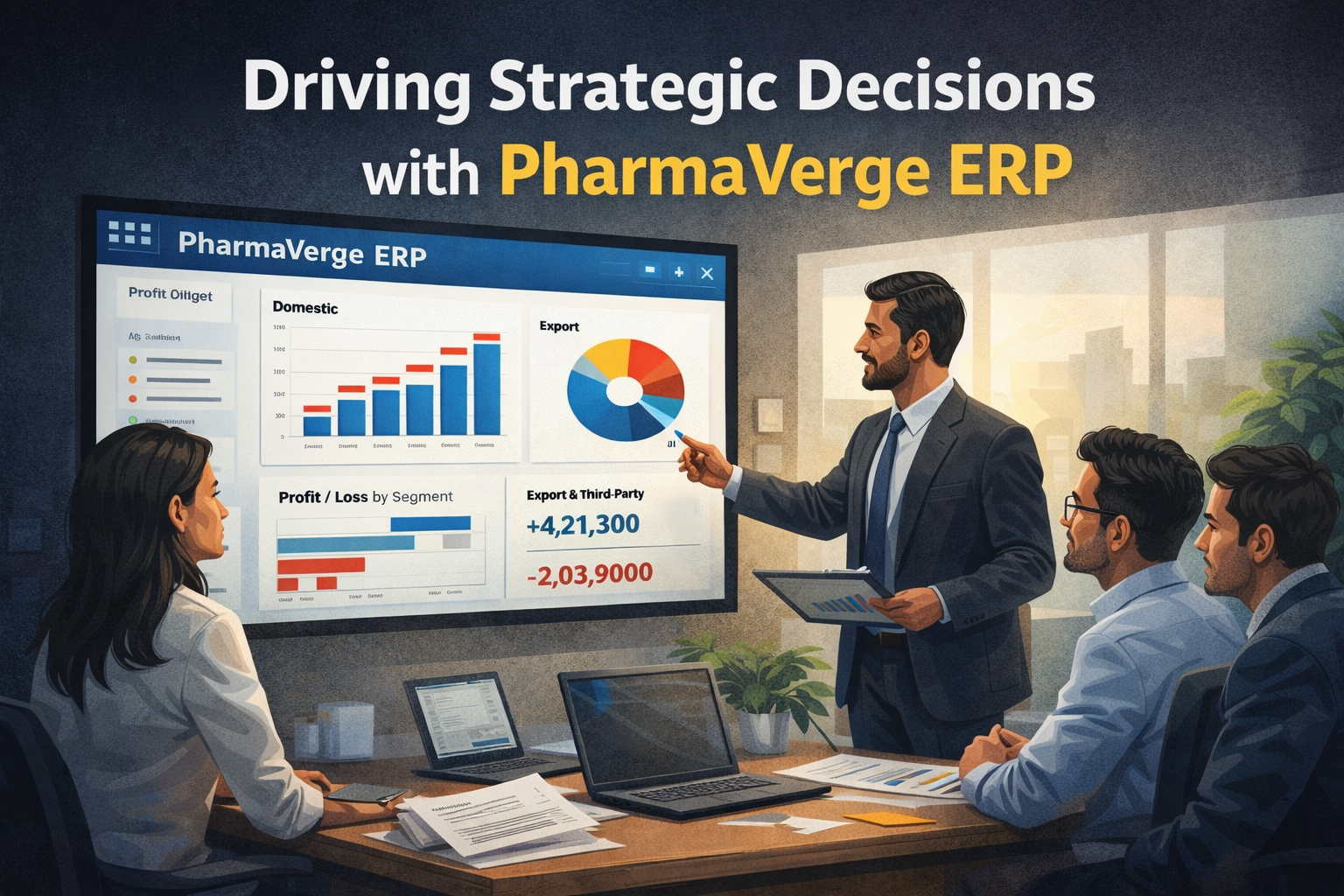
1. Client Overview
A pharmaceutical manufacturing company based in Ahmedabad, Gujarat, engaged in:
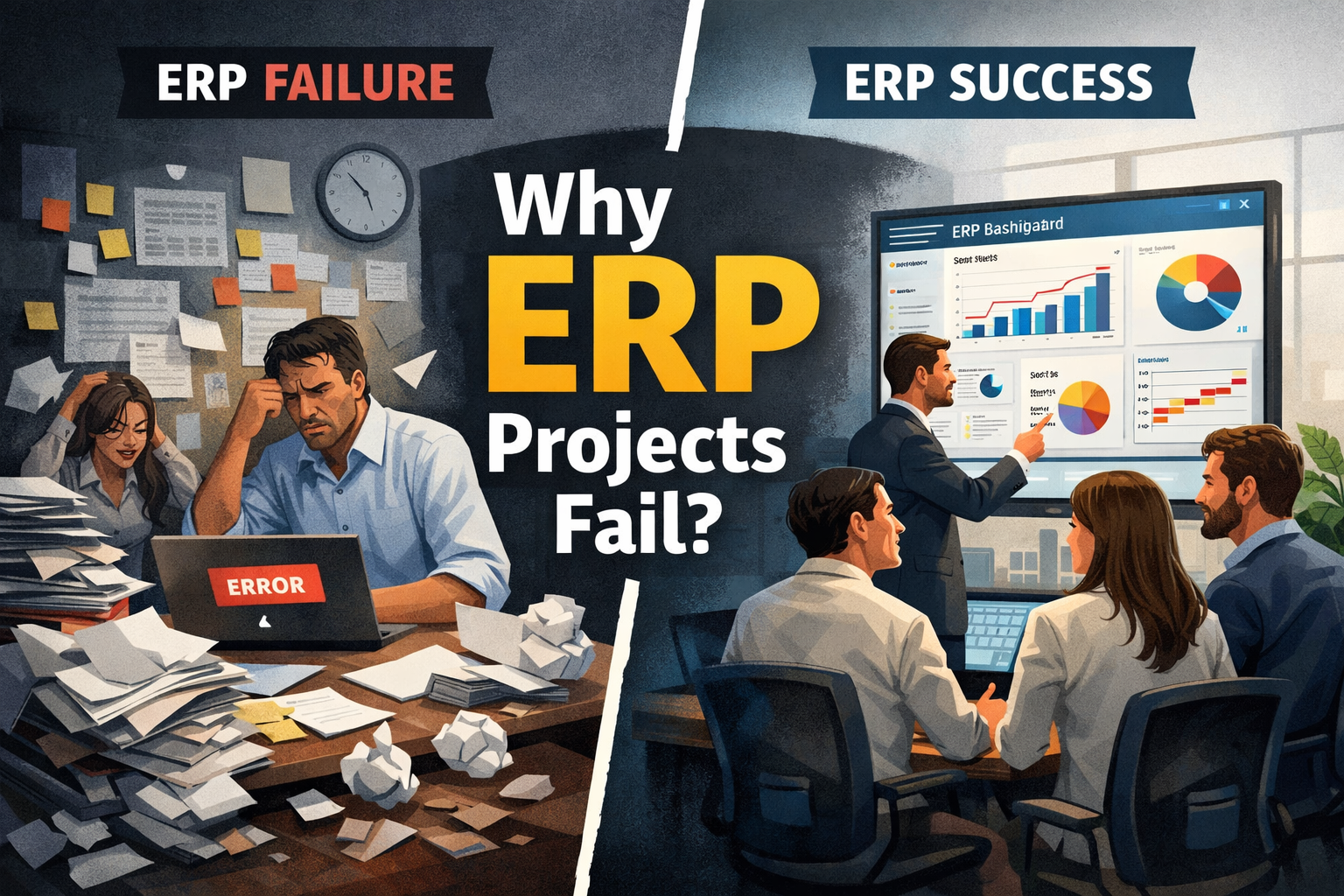
ERP implementation is often seen as a gamechanger for businesses—especially in the pharmaceutical industry, where compliance, accuracy, and efficiency are critical.
However, many ERP implementation projects fail to deliver expected results.
In the high-stakes world of pharmaceutical manufacturing, "I forgot" isn't just an excuse—it’s a regulatory liability. When a stability sample isn't discharged on time or a chromatography column exceeds its injection limit, the result isn't just a missed deadline; it’s a potential Form 483, a batch rejection, or a compromised safety profile.
Pharmaverge ERP is designed to move your facility from a reactive state to a predictive powerhouse. By automating the "mental load" of scheduling, we ensure that compliance isn't something you strive for—it’s something that happens automatically.

Lessons from my 22 Years of experience Digital Transformation through ERP
After two decades of guiding organizations through ERP implementations and digital transformation journeys, I’ve seen a consistent pattern of missteps—especially in the pharmaceutical sector. ERP is not just software; it’s a strategic backbone. Yet many businesses approach it with a narrow lens, often driven by external pressure or short-term thinking.
Here are the most common mistakes I’ve observed—and how to avoid them.

Enterprise Resource Planning (ERP) systems are no longer just back-office tools. They’re the digital backbone of modern businesses—automating and integrating processes across finance, manufacturing, supply chain, HR, and operations. But choosing the right ERP platform isn’t just a technical decision. It’s a strategic one.
The Real Measure of ERP Success: ROI, Not Just Features
A successful ERP implementation delivers measurable return on investment (ROI). It empowers organizations to make smarter decisions like:

🔭 Understanding ERP: More Than Just Software
ERP is an integrated system that connects core business functions—finance, inventory, procurement, manufacturing, HR, and more—into a unified platform. It replaces fragmented tools and manual processes with a centralized, real-time data environment.
Key Functions of a True ERP: